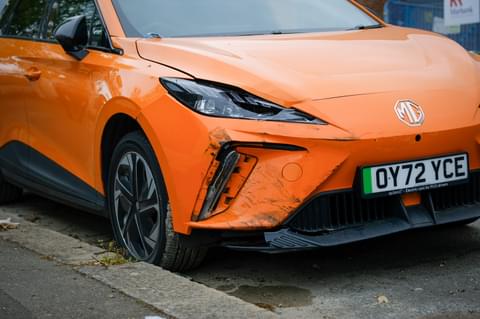
“You could be sending roadside teams out to work on electric vehicles with safety protocols designed for petrol engines. That’s not just outdated thinking. It’s dangerous.”
That’s a warning I give to organisations more than I would like. It captures the urgency of a problem that continues to grow as EV adoption accelerates. The automotive industry is undergoing a rapid transformation, and electric vehicles (EVs) are at the centre of it.
With global EV sales projected to exceed 20 million units in 2025, the pace of change is accelerating. Solid-state batteries, ultra-fast charging, and government mandates have pushed EVs into the mainstream. Alongside these advancements, however, come new risks that traditional safety standards were never designed to address.
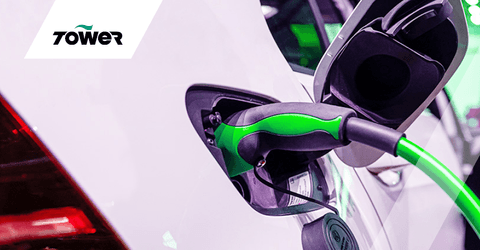
Recovery crews, roadside technicians, and first responders are now operating in environments that differ significantly from those of a decade ago. The vehicles, the tasks, and the hazards have all evolved. Yet many teams are still relying on procedures and personal protective equipment (PPE) developed for internal combustion engines. This disconnect presents a serious safety concern.
Here are some of the challenges we are seeing across the industry:
Despite these changes, there is still no universal industry playbook. No clear consensus. This leaves frontline workers navigating uncertainty every day, often without the guidance or equipment they need. As a safety professional, I have never seen change this dramatic.

As a safety professional, I have never seen change this dramatic. The risks are real, and the consequences of inadequate preparation can be severe. That is why we have yet again updated our guidance on EV safety to help recovery teams and fleet managers make informed decisions. From arc-rated clothing and insulated gloves to face shields and anti-static footwear, the right gear is essential.