230 tonnes of recycling. Every single day.
That is what arrives at SUEZ’s Avonmouth facility, where our waste champions were invited to see the process first‑hand. It was a chance to understand where our dry mixed recycling (DMR) and general waste go, and what really happens once it leaves Tower Supplies.
The first site was the DMR facility. We toured the plant, following the waste as it comes in, how it is checked and filtered by human pickers and automation. The process is lengthy, but it has to be. Contaminated waste is removed. Clean material is baled. Seeing this up close reminded me that recycling is not simple. It takes care, precision, and accountability.
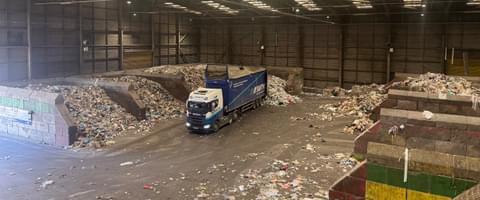
The picture below shows the DMR as it comes into the facility, approximately 230 tonnes per day. That number alone makes you stop and think. Every bale represents choices made upstream, by us and by our customers.
After our first tour we travelled three miles down the road to the Severnside Energy Recovery Centre. This facility converts waste into energy, enough to power over 70,000 homes per day. They have permits to take up to 500,000 tonnes annually. That is the equivalent of six Wembley Stadiums filled to the brim or over two million wheelie bins. Much of this arrives by train, including waste generated at Tower Supplies.
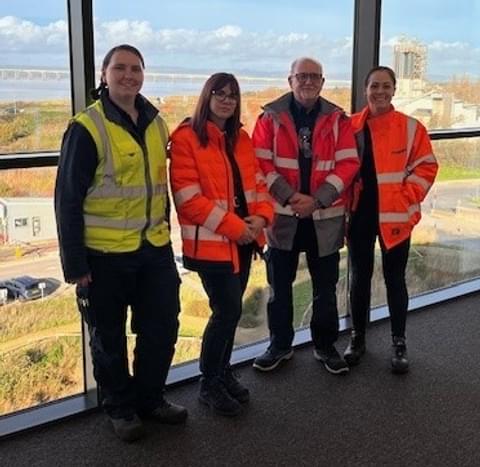
Although we were unable to tour the floor itself, our hosts showcased how SUEZ turns waste into revenue streams. Their focus is on helping businesses like ours maximise recycling rates, improve efficiencies, reduce landfill, and cut costs.
It was a reminder that energy recovery is better than landfill, but not perfect. Incineration still produces emissions. That is why reducing general waste is critical. Less waste means lower emissions. Less waste means lower costs. Every step matters.
Our champions shared their reflections:
Eddie Hayes:
“I want to start to treating waste as an “asset product”. That means it has a value in the savings we can make, as well as the eco-value of our ethical waste management and disposal programme. Encouraging this attitude across the company will support a conscientious mindset towards personal accountability.”
Simona Pastiu
“Visiting SUEZ UK was a real eye opener for me. Like many people, I used to picture waste as just rubbish destined for landfill. But seeing everything up close and all the amazing things that can be done with it honestly impressed me. The amount of work, care and innovation that goes into turning waste into something useful really took me by surprise. It gave me hope for the future, hope for the planet and a much better understanding of how big a difference the right approach to waste can make.”
Samantha Yates
“My biggest takeaway from the visit was seeing what they could do with General Waste and how they could turn what we all see as “rubbish” into reusable materials and cleaner bi-products. There is always something we can do to save everything going to landfill, we just need to push to get more people doing it and change the way we all see our waste.
It's clear this visit proved one thing for us about all else: When suppliers open their doors, they help us learn. When customers engage, they help drive change. That's why I believe that together we can reduce waste, cut emissions, and build a more responsible future.