I often talk to ports, ferry operators, and marine organisations about their PPE challenges, and one thing is clear. The problems they have with PPE are almost identical to the ones Tower has been solving in other high risk, multi-site industries such as power and utilities.
This got me thinking.
Over the past year, I have watched my Tower colleagues supporting the energy sectors deliver our new Six-Point PPE Programme to large organisations including Anglian Water and AtkinsRéalis. Different sectors, but the same underlying problems.
The programme involves a structured review of head, eye, ear, hand, foot, and body protection to bring clarity, consistency, and cost control to the entire PPE range. Our results are what have prompted me to set a New Year’s resolution: To roll this out across as many marine organisations as possible in 2026.
The reviews found that PPE ranges had grown without control, creating inconsistent protection levels, and costs that were far higher than anyone realised. Once the programme was implemented, the results were significant and show how important this service is to provide added value to customers.
Anglian Water reduced product SKUs by more than 10 percent and achieved 15 percent cost in use savings. AtkinsRéalis rolled out a new modern and highly inclusive PPE range (including new female PPE products) across 13,000 staff and 40 sites, improving safety, wellbeing, and comfort for everyone.
Seeing these outcomes has made one thing clear: If marine operations face the same pressures, then they stand to benefit just as much as our energy customers.
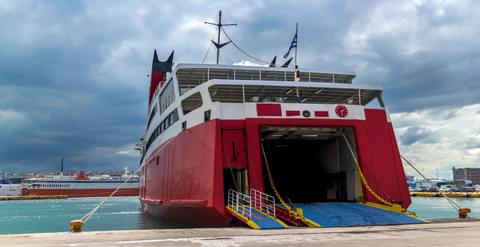
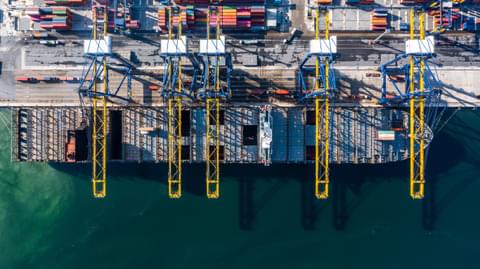
Marine environments are demanding. Dockside cargo handling, deck operations, engine rooms, terminal work, and maintenance tasks all carry their own risks. Many involve mixed workforces with different employers and different PPE habits. Over time, this creates a range that is bigger than it needs to be, more expensive than it should be, and not always aligned with the risks people face.
Our six-point programme reviews head, eye, ear, hand, foot, and body protection in one coordinated process, to provide both analysis and a plan of action to make big improvements straight away. Very few suppliers have the expertise, product scope, or operational capability to do this properly. It's one of our key partner benefits and is what drives real value to the organisations we work with.
One of the biggest surprises for organisations we work with is how much money is lost through duplicated products, uncontrolled ordering, and PPE that is not fit for purpose. By rationalising the range and tightening allocation rules, the programme reduces SKUs, cuts waste and ensures people only access PPE appropriate to their role. The result is lower cost in use and stronger protection at the same time.
Marine work is physically demanding. PPE that restricts movement, wears out quickly, or does not fit properly affects confidence, fatigue, and performance. Part of the programme is a full review of fit, ergonomics, inclusivity, and durability. When PPE is comfortable and designed for the job, people work better and safer, and the equipment lasts longer too.
Without clear data on what is being ordered, used, or wasted, it is difficult to manage risk effectively. Our programme gives you that visibility across every site and every contractor, helping leaders maintain consistent standards.
Budgets are tightening, contractor numbers are rising, ESG expectations are increasing, and the risks across marine operations are not getting any simpler. The six point PPE programme gives you a structured way to bring clarity, consistency, and continual improvement to one of the most fundamental parts of marine safety.
From what I have seen in other high risk, multi-site sectors, the timing could not be better for marine. The same approach has already delivered real improvements in safety, comfort, and cost control elsewhere, and I am keen for marine organisations to be among the first to benefit from it.